FACULTY DIRECTORS
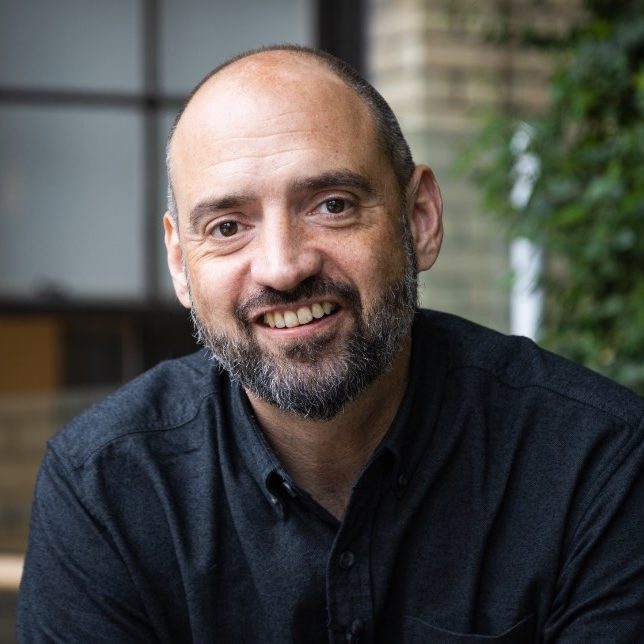
Robert Soden
Dr. Robert Soden is an Assistant Professor in the Department of Computer Science & School of the Environment at the University of Toronto and the founder of TCO. He works in the areas of crisis informatics, human-centered computing (HCC), and science and technology studies (STS). His research uses a range of ethnographic, participatory, and design research methods to evaluate and improve the technologies we use to understand and respond to disasters and climate change. Dr. Soden has 20 years of academic and industry experience developing human-centered approaches to environmental modelling, including work with organizations such as the World Bank, the United Nations, and the World Resources Institute.
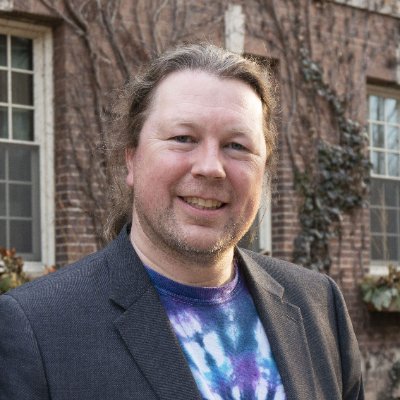
Steve Easterbrook
Dr. Easterbrook is a U of T Professor in the Department of Computer Science in the Faculty of Arts & Science and the Director of the School of the Environment. Dr. Easterbrook studies the development of computational models for understanding climate change, along with the role of models and data visualizations for sharing knowledge about climate and sustainability with other communities.
FACULTY PARTNERS
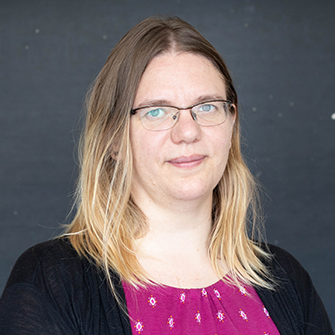
Fanny Chevalier
Dr. Chevalier is an assistant professor in the department of computer science at the Univresity of Toronto. Her research lies at the intersection of Human-Computer Interaction (HCI) and Information Visualization (Infovis). She is interested in addressing the challenges involved in the design, implementation, and evaluation of novel interactive tools supporting visual analytics and creative activities, with primary focus on interactive visualization for the visual exploration of rich and complex data, visualization education, computing tools supporting the flow of creativity, the design and perception of animated transitions, and sketch-based interfaces.
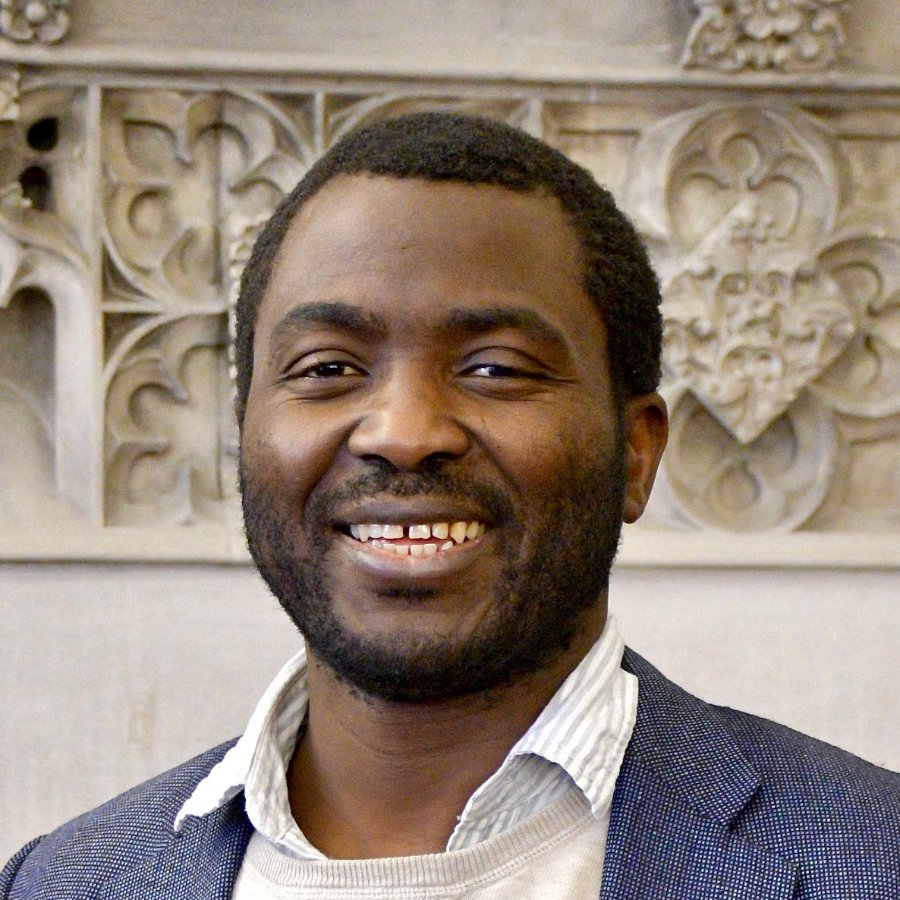
Hamed Ibrahim
Dr. Hamed Ibrahim is an Assistant Professor in the Department of Civil & Mineral Engineering at the University of Toronto and a member of the School of the Environment. His research focuses on hydrological modelling and on the physical relations between the lower atmosphere and the Earth's surface that link the atmosphere, land, and oceans within the water cycle. He studies how water and heat vary across time and place, and what that variability means for water supply, energy, agriculture, and transportation infrastructure. He holds a PhD in Civil and Environmental Engineering from MIT.
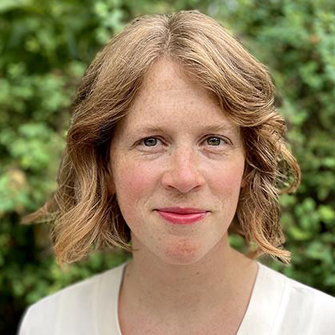
Laura Tozer
Dr. Tozer is an assistant professor in the Department of Physical & Environmental Sciences at the University of Toronto Scarborough. Her research tries to understand how to accelerate action to address the climate crisis. She studies the policies and politics that help us transition from fossil fuel to renewable energy. She is especially interested in understanding how governments and communities can rapidly change cities so that they are fairer, resilient to the impacts of climate change, and powered by renewable energy. Dr. Tozer has conducted research on the planning and implementation of just, zero carbon and resilient transitions in cities; the politics of transnational urban climate governance; and pathways to mainstream sustainability solutions so that they become standard practice for urban development.
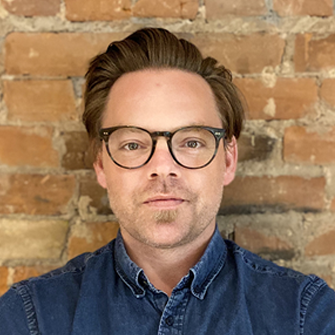
Michael Classens
Dr. Classens is an Assistant Professor in the School of the Environment at the University of Toronto. Prior to joining the School, Classens taught in Trent University’s Sustainable Agriculture and Food Systems program for the past three years. His research is focused broadly on questions of social and environmental sustainability, with a particular focus on how these dynamics are frustrated by, and enabled through, food systems. His teaching, research and advocacy work are broadly motivated by commitments to social and environmental justice, particularly within the context of the food system.
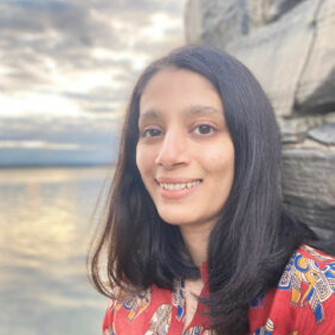
Nidhi Subramanyam
Dr. Subramanyam is Assistant Professor in the Department of Geography and Planning in the Faculty of Arts & Science. Dr. Subramanyam’s research examines just approaches to plan and govern drinking and stormwater water infrastructures in the face of rapid urbanization and the growing impacts of climate change. She also investigates urban governance and the politics of planning in cities of the Global South. At their core, all her projects interrogate how planning processes reflect and reinforce the status quo in moments of transition and how different social groups contest inequalities and transform planning at such moments to create just and sustainable futures. Dr. Subramanyam teaches classes on environmental planning and climate justice and is co-leading a research project examining the planning of just stormwater solutions for flood-resilient Toronto.
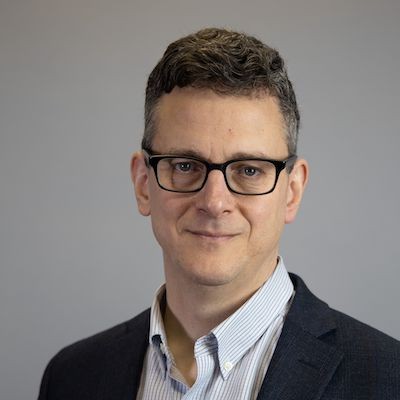
Paul Kushner
Dr. Paul Kushner is a Professor and Chair of the Department of Physics at the University of Toronto and a member of the School of the Environment. His research in the Earth, Atmospheric and Planetary Physics group focuses on climate dynamics and modelling, including downscaling tools that connect global climate science to the needs of engineers and planners, and on characterizing sampling biases and uncertainty in applied climate information.
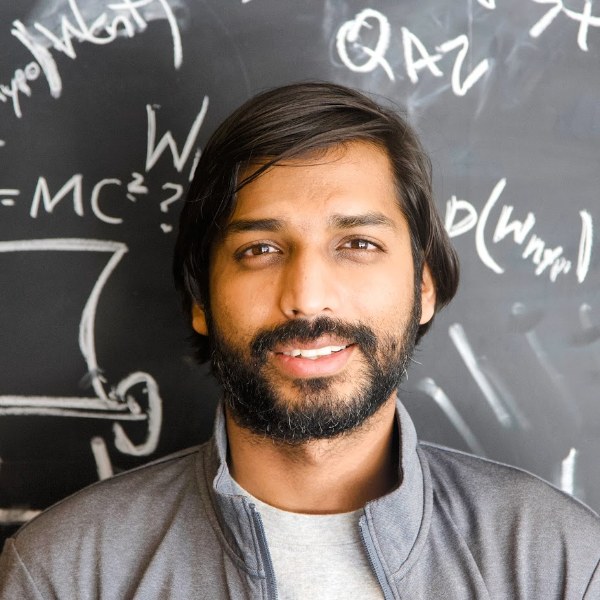
Priyank Chandra
Dr. Priyank Chandra is an Assistant Professor in the Faculty of Information at the University of Toronto and Director of the STREET Lab. His research examines the sociotechnical practices of informal communities at the margins of society, drawing on human-computer interaction, computer-supported cooperative work, science and technology studies, sociology, and development studies to critique how technologies are designed and how they can marginalize or support people. With the TCO he has co-led research on crisis informatics and severe weather risk communication for people with visual impairments. He holds a PhD in Information from the University of Michigan.
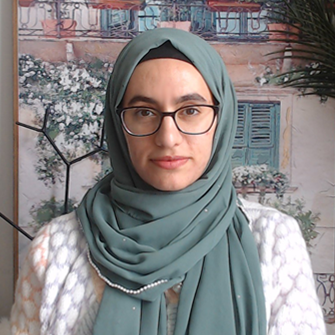
Samar Sabie
Dr. Sabie is a postdoctoral fellow in the Department of Computer Science at U of T and an incoming Assistant Professor at the University of Toronto Mississauga. She was trained at the University of Toronto as an architect and as a software engineer before completing a PhD in Information Science at Cornell with a minor in STS. Her research examines how design as a socio-material practice supports communities in reconfiguring or reimagining the environments they inhabit in more equitable ways despite cultural, generational, and political differences. Her approach is interdisciplinary, combining design and making with ethnography, critical theory, and pedagogy development in community-based contexts.
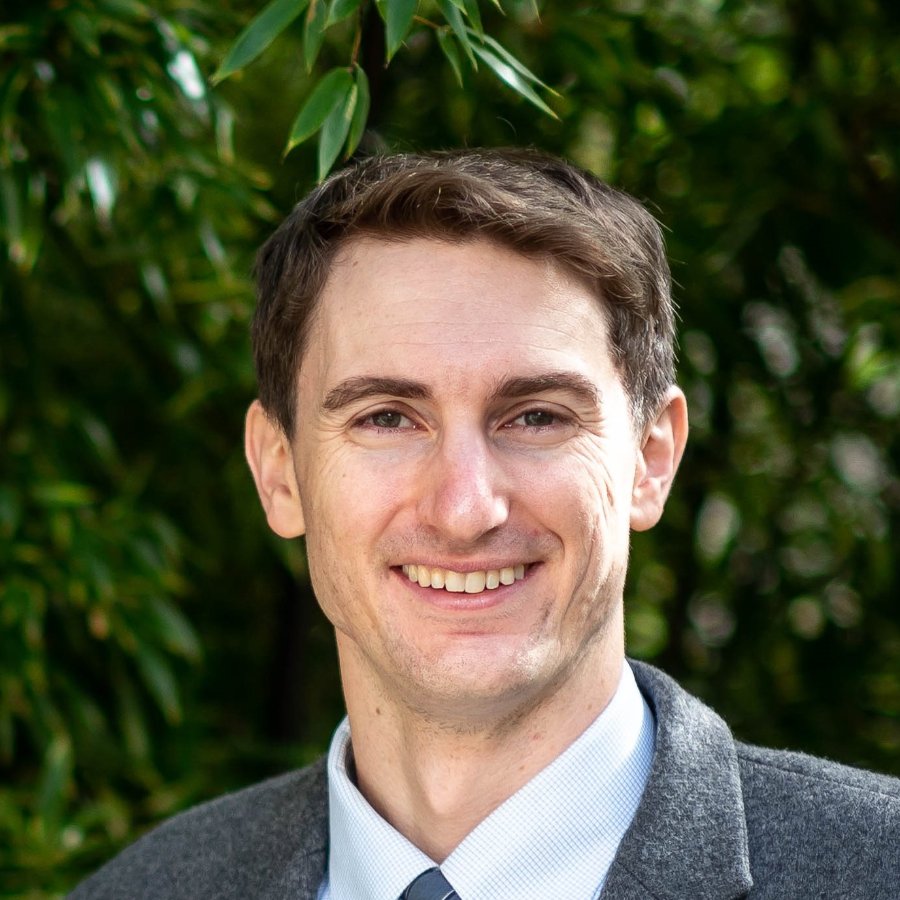
Trevor Carey
Dr. Trevor Carey is an Assistant Professor in the Department of Civil & Mineral Engineering at the University of Toronto. His research aims to improve community resilience to extreme natural hazards by strengthening the preparedness, prevention, and sustainability of geo-structures. It spans soil liquefaction under earthquake loading, seismic hazard analysis, lifetime loading of civil infrastructure, natural hazard event reconnaissance, and the use of machine learning in geotechnical site investigation. He holds a PhD in Civil and Environmental Engineering from the University of California, Davis, and co-leads the Toronto Hazard Reconnaissance initiative with the TCO.
GRADUATE STUDENTS & POST-DOCS
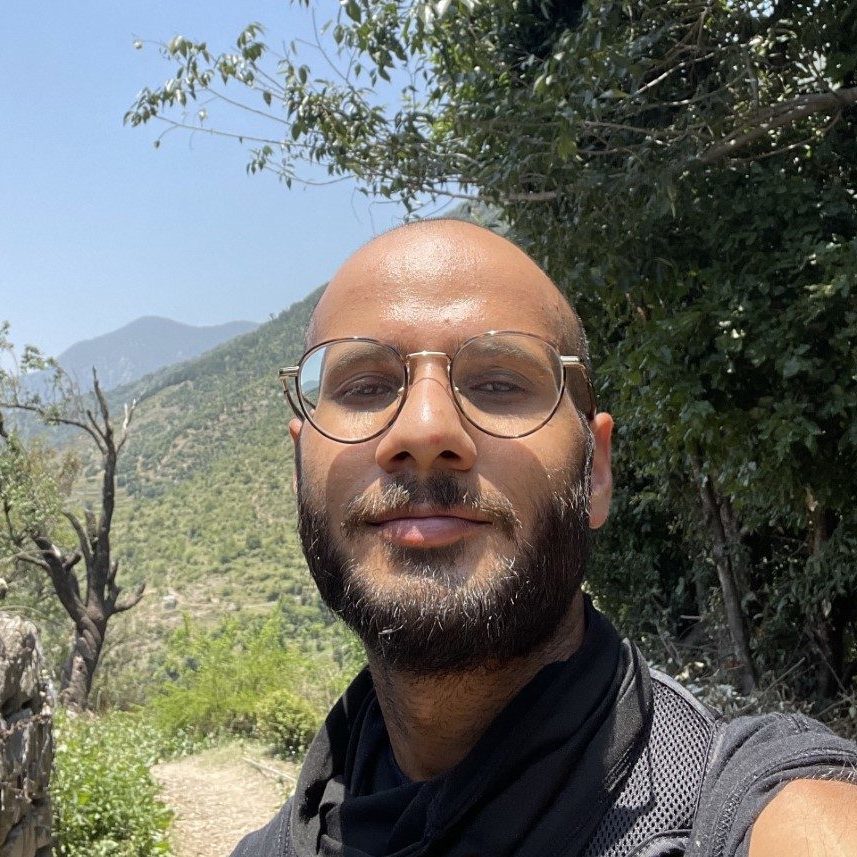
Aarjav Chauhan
Aarjav is pursuing his PhD within the Department of Computer Science in collaboration with the School of the Environment. His research interests include human-computer interaction, information infrastructures, and commoning practices. He is currently exploring the forms of commons enclosure within projects such as digital archives and biodiversity initiatives in the Himalayan region.
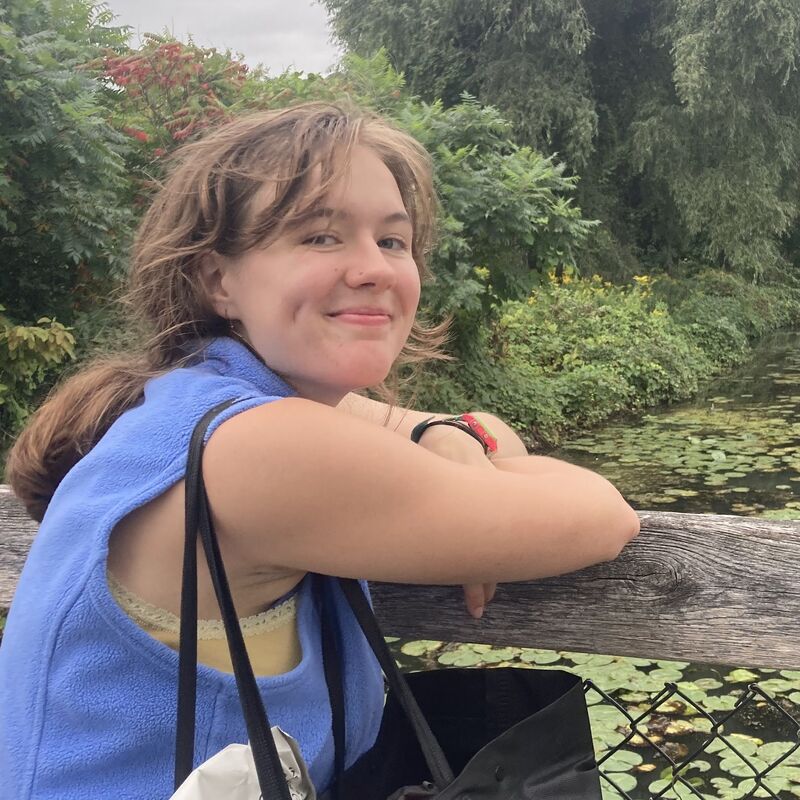
Dylan Van Bramer
Dylan is a PhD student in the Department of Computer Science at the University of Toronto. She studied computer science as an undergraduate at Cornell, where she became drawn to research as a way to bridge technical rigor with questions that matter in the world. Her research interests centre on environmental data and how it can be used responsibly in modeling, with a particular focus on the interpretability of models and on how environmental data is collected, used, and shaped by bias.
Hana Darling-Wolf
Hana is a Master's student in Computer Science at the University of Toronto. Her current research examines the role of emotions in shaping the boundaries and possibilities for ethical practice in computing. Her research interests more broadly include computing culture, socially responsible computing, gender, computer science education, and tech labour.
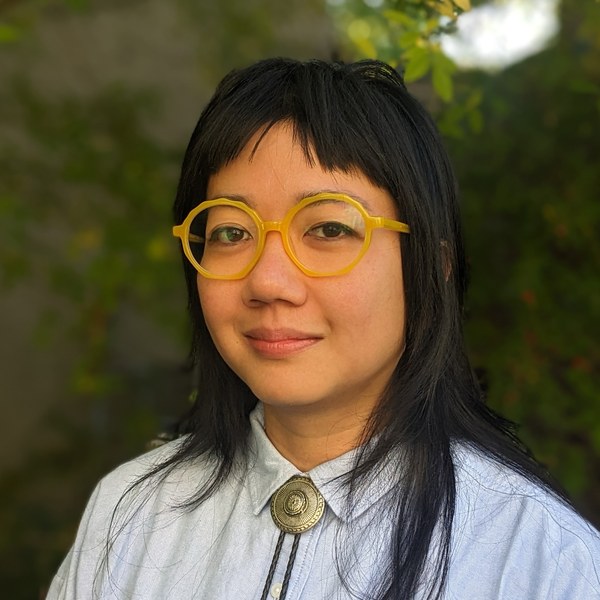
Jen Liu
Jen Liu is a Postdoctoral Fellow in the Department of Computer Science. Her research investigates the ecological, social, and political dimensions of computing technologies. Her recent research examines how networked infrastructures are restored, sustained, and reimagined amid planetary change and uncertainty. She received her PhD in Information Science at Cornell University.
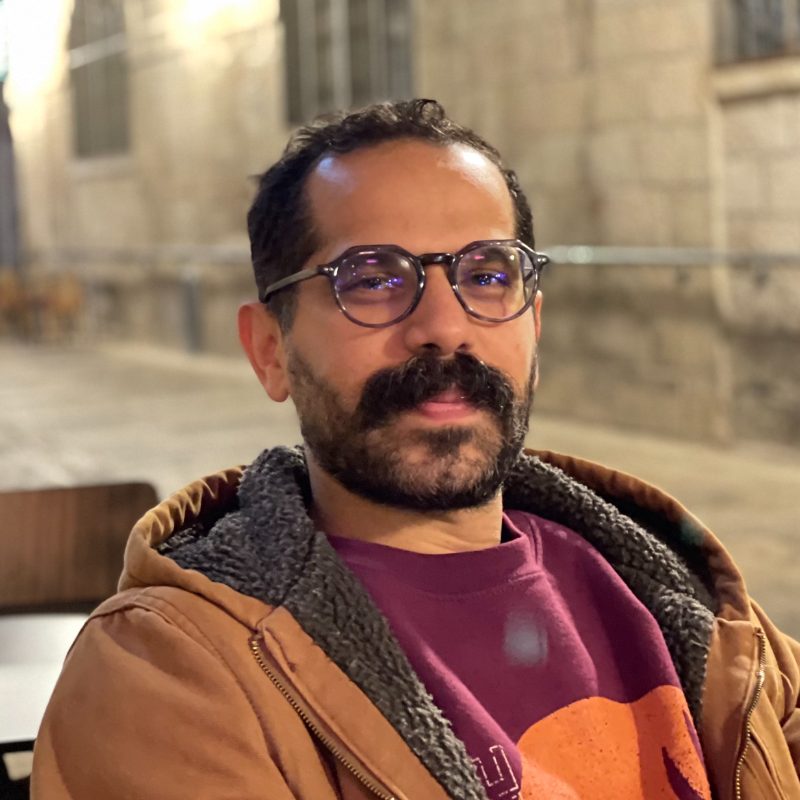
Majd al-Shihabi
Majd al-Shihabi is a PhD candidate in the Department of Geography & Planning at the University of Toronto, supervised by Heather Dorries and John Robinson. His doctoral research examines the influence of the City of Toronto's climate action plan, TransformTO, on the urban fabric of the city, and asks how the technical modelling used in policy design opens or closes political imaginaries for desirable futures. He uses co-creation methods to build counter-models that envision alternative policy pathways for urban living in Toronto. Majd is a co-founder of Palestine Open Maps and the MASRAD collective.
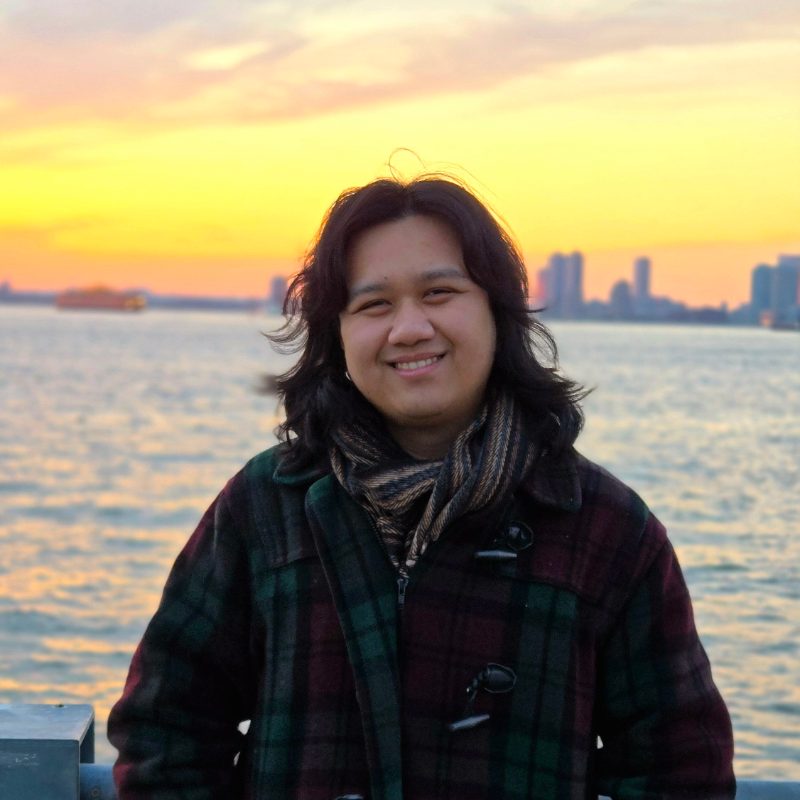
Matthew Varona
Matthew Varona is a PhD student in the Department of Computer Science at the University of Toronto, in the Human Interaction Visualization (HIVE) Lab and the Dynamic Graphics Project, supervised by Carolina Nobre. His research examines the role of data and visualizations in how people make sense of the world – treating data as a social artifact shaped by human contexts – with interests in visualization literacy, public data communication, and social media analysis from a critical computing perspective. He holds an undergraduate degree from NYU Abu Dhabi.

Mickell Als
Mickell is pursuing a Ph.D. in Computer Science at the University of Toronto under the supervision of Prof. Steve Easterbrook. He has studied Meteorology and Environmental Science at the University of the West Indies and Machine Learning and Artificial Intelligence at Liverpool John Moores University. Growing up in Barbados, Mickell's experiences with hurricanes and other meteorological phenomena sparked a deep interest in understanding and forecasting these systems. His research focuses on applying deep learning techniques to weather nowcasting and remote sensing, aiming to extend forecast times for hurricanes in the tropical Atlantic and enhancing meteorological satellite remote sensing capabilities in regions with limited ground-based observations.
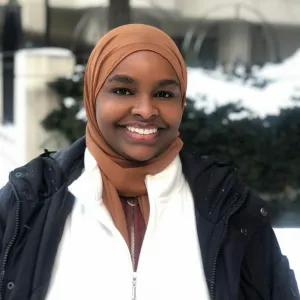
Rayan Awad Alim
Rayan is a Computer Science, Bioinformatics and Statistics student at the University of Toronto, specializing in Human-Computer Interaction. Her research interests lie in climate change, migration, and the datafication and use of AI systems in socio-economic contexts. Rayan has a strong track record of championing equity initiatives at the University of Toronto. She founded and is of the Black STEM network and the Sudanese Student Union and serves at the Equity Director for the Black Students Association. Her advocacy extends beyond the campus. At the Toronto Youth Cabinet – the City of Toronto's official youth advocacy body – Rayan served as the Media Lead of the Urban Health Working Group. As a Youth Ambassador for the World Youth for Water and a Youth Ambassador for the International Red Cross/Crescent societies, and numerous other non-profits and high-impact organizations, she advocates about the importance of leveraging emerging technologies to create a better future for people everywhere.

Reyna Wu
Reyna is a Ph.D. student at the University of Toronto Department of Computer Science, supervised by Professor Steve Easterbrook. Her research interests include climate informatics, human-computer interaction, and explainable AI. Her current project explores the applications of explainable AI in climate science, focusing on how climate scientists envision using machine learning. She obtained her Bachelor's degrees in Computer Science and Mathematical Statistics with honors from Wake Forest University. She then earned her MSc in financial technology at the Hong Kong University of Science and Technology.
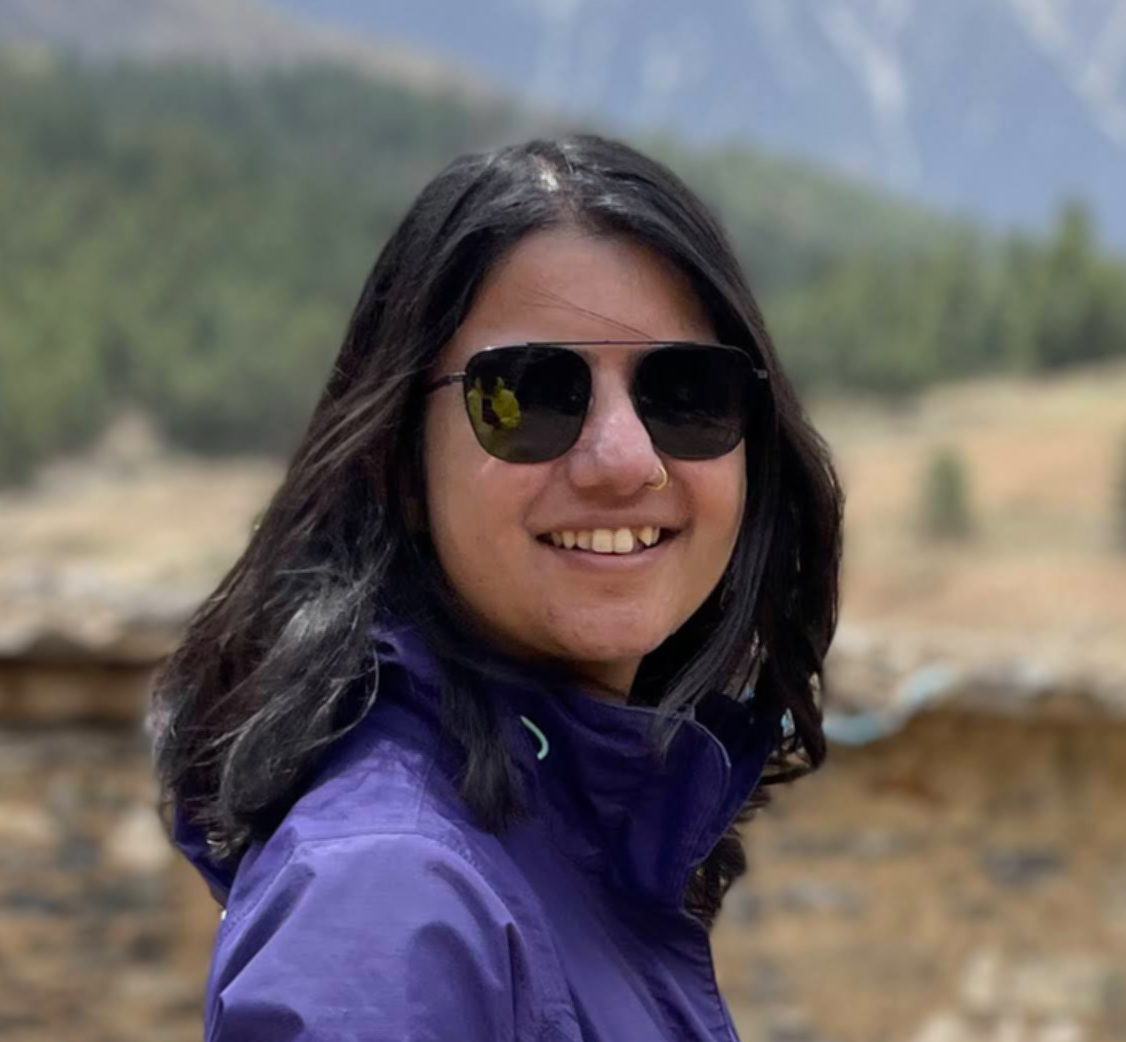
Shreyasha Paudel
Shreyasha is a Ph.D. student at the University of Toronto in the Department of Computer science. Her research focus is interdisciplinary combining techniques of Human Computer Interaction with critical theories from social sciences and feminist STS. Her current research looks at the use and impact of data, digitization, and algorithms in developing countries (such as her home Nepal) in applications such as crisis informatics, disaster risk reduction, civic technologies, and climate adaptation.
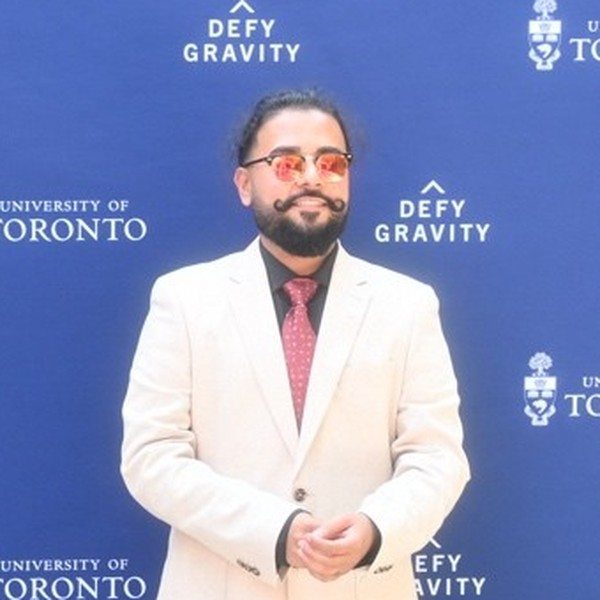
Siddharth Dabas
Siddharth Dabas is a student in the Master of Environment and Sustainability program at the School of the Environment, University of Toronto, where he works with the TCO on community-based environmental data and mapping. A researcher, policy analyst, and writer, his interests sit at the intersections of public health, epidemiology, and the inherent rights of Indigenous nations in Canada. He holds a Bachelor of Public Policy from the University of Toronto.
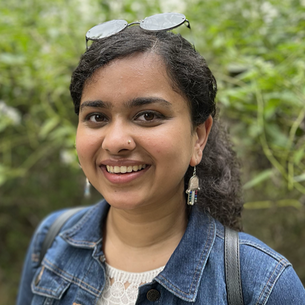
Taneea S Agrawaal
Taneea is a Ph.D. student at the University of Toronto in the Department of Computer Science, with a specialisation in Environmental Studies. Her research focus is interdisciplinary and combines techniques of Human Computer Interaction in the application area of Climate Change. Her current research resembles social science informed computing and looks at the creation, use and communication of climate data practices, and climate modelling practices in the Greater Toronto Area. This work touches upon research areas in climate adaptation, civic technologies, data and data infrastructures and social justice.
RESEARCH ASSISTANTS
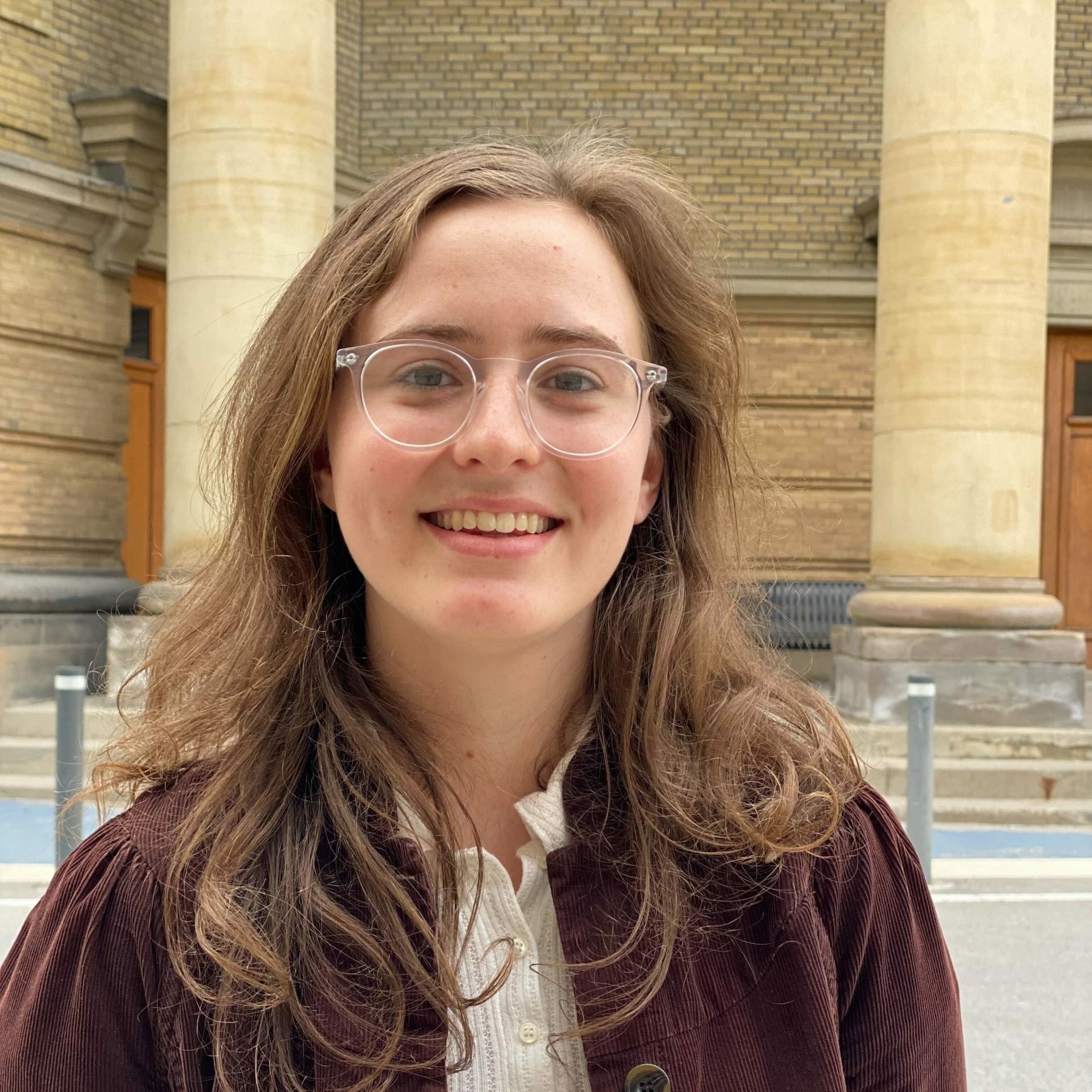
Cassandra Chanen
Cassandra is a Research Assistant with the Toronto Climate Observatory. She holds a Master of Environment and Sustainability from the University of Toronto School of the Environment, where her research focused on climate data practices in Toronto municipal government. Her broader interests include climate data and modelling, environmental justice and data justice. Cassandra holds a B.A.Sc. in Engineering Physics from the University of Toronto.
Freddie Stretch
Freddie Stretch is a Research Assistant with the Toronto Climate Observatory, working on the Bay Street Climate Monitor and the financed emissions of Toronto's financial sector. He is a PhD candidate at the Centre for Environmental Policy, Imperial College London, where his research examines emissions responsibility accounting for the net zero transition – how greenhouse gas emissions are attributed beyond national borders to better capture the climate impact of economic activity. He holds an MSc in Climate Change Management and Finance and has several years of experience in financial and carbon accounting.
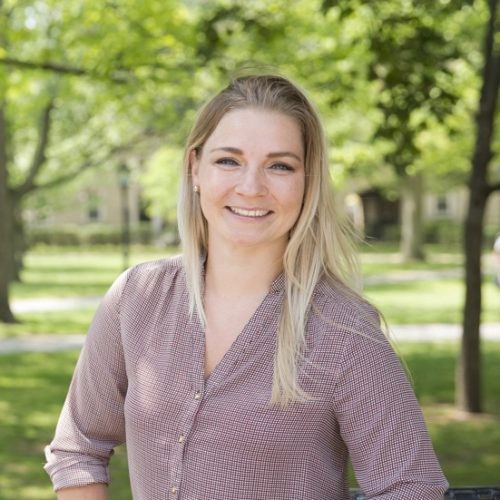
Jennie Phillips
Dr. Jennie Phillips is a Research Assistant with the Toronto Climate Observatory. She holds a PhD in Leadership, Higher and Adult Education from OISE, with collaborative specializations through the Munk School of Global Affairs, and her research has examined how citizens use technology to respond to crises and how organizational resilience can address the risks of digital crisis response.
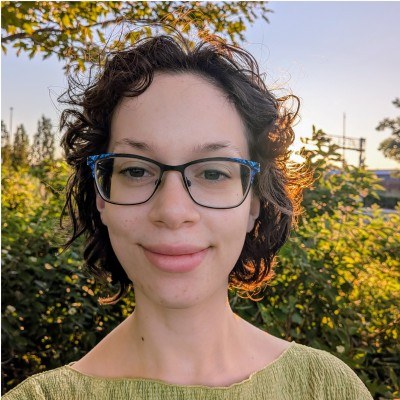
Julia Oliveira
Julia Oliveira is a Research Assistant with the Toronto Climate Observatory, working on the Counter-Mapping Urban Heat project. She graduated from the University of Toronto in 2026 with an Honours Bachelor of Science, specializing in Global Health with a major in Cell & Molecular Biology and a certificate in Sustainability Pathways. Alongside her work with the TCO, she is a grant writer and archivist at The Stop Community Food Centre.
ALUMNI
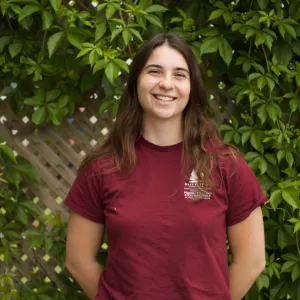
Allegra Nesbitt-Jerman
Allegra is a recent graduate from the University of Toronto with a Bachelors in Peace, Conflict, and Justice, and a specialization in environmental justice. She has been involved in an array of environmental initiatives, working in conservation, conducting climate research and policy analysis, and engaging in youth-based activism across the country. She now works with climate finance reporting at the TCO, where she strives to reflect the need for equitable and justice-based action in all her work.
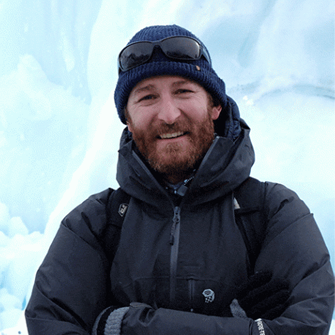
Austin Lord
Dr. Austin is a Postdoctoral Research Fellow at the University of Toronto, School of the Environment. He is an environmental anthropologist who studies issues related to disaster recovery and disaster risk management, water and energy, infrastructure development, climate change adaptation and climate science, and the politics of environmental data and knowledge production. His work focuses on the Himalayan bioregion, and primarily in Nepal. He holds a Ph.D. in Anthropology from Cornell University, an M.S. from the Yale School of the Environment, and a B.A. from Dartmouth.
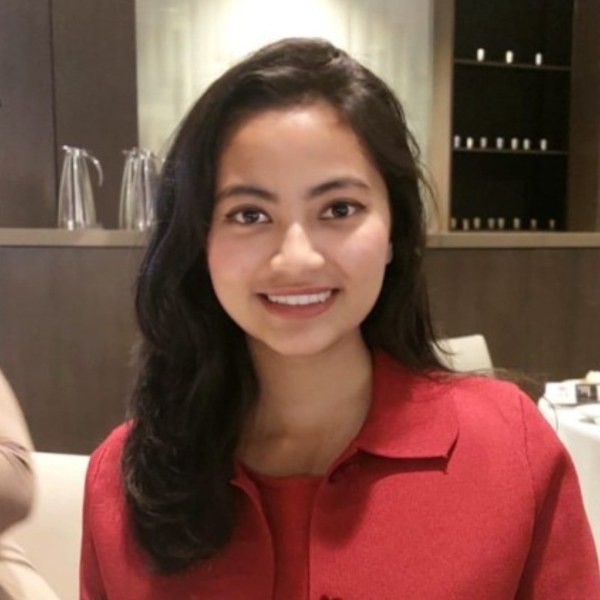
Ayusha Thapa
Ayusha Thapa worked with the Toronto Climate Observatory as an undergraduate research assistant on the Ontario Flood History project, applying natural language processing and large language models to organize and analyze historical climate records. She is a computer science student at the University of Toronto.
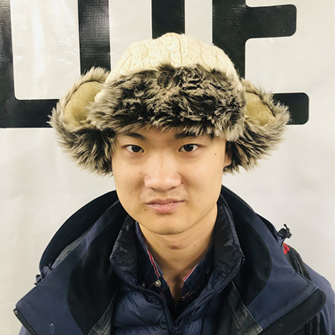
Bowen Zhang
Bowen is a computer science PhD student with a focus on social computing and peer production. He's currently researching the roles of users in peer production platforms, with impressive insights and analytical skills. Bowen's work has significant potential to enhance our understanding of how individuals collaborate and contribute shared resources.
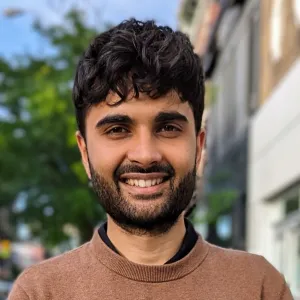
Harshit Gujral
Harshit Gujral is pursuing a Ph.D. in Computer Science at the University of Toronto, where he studies how green technology can improve environmental and public health. A trained Data Scientist, Harshit uses methods from statistics and explainable machine learning to study how electric vehicles affect air quality and public health. His research aims to help policymakers in crafting environmental regulations that facilitate a rapid and equitable transition to green technologies. Harshit is also interested in studying the unintended rebound effects of technology, adopting a digital sufficiency approach to mitigate these effects in residential buildings, data centers, and machine learning infrastructures. As a doctoral fellow at the Climate Positive Energy and Data Science Institute, he contributes to pioneering research on sustainable energy solutions and data-driven environmental policy.
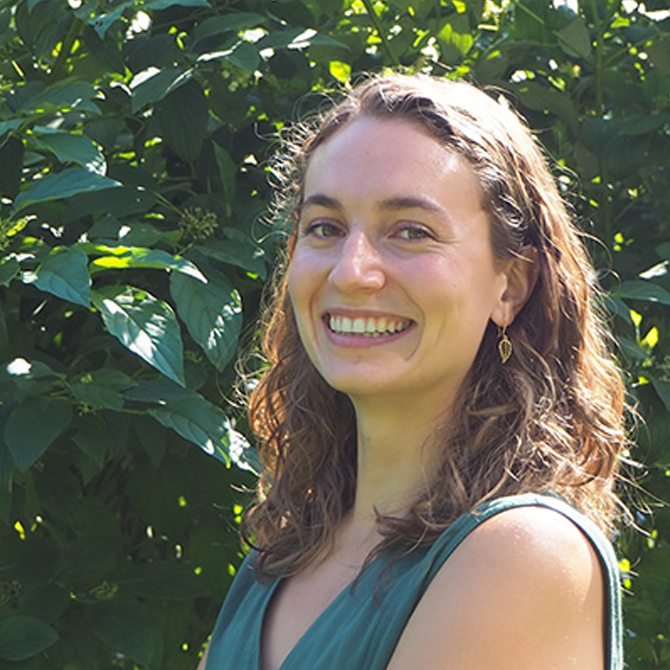
Lilly Flawn
Lilly graduated from the Master of Environment and Sustainability program at the UofT School of the Environment. Her research focuses on climate data practices within Toronto-based grassroots climate justice groups. She is interested in how climate data can be utilized as an effective tool for organizing. Lilly holds a B.A. in Sustainable Development from the University of Edinburgh.
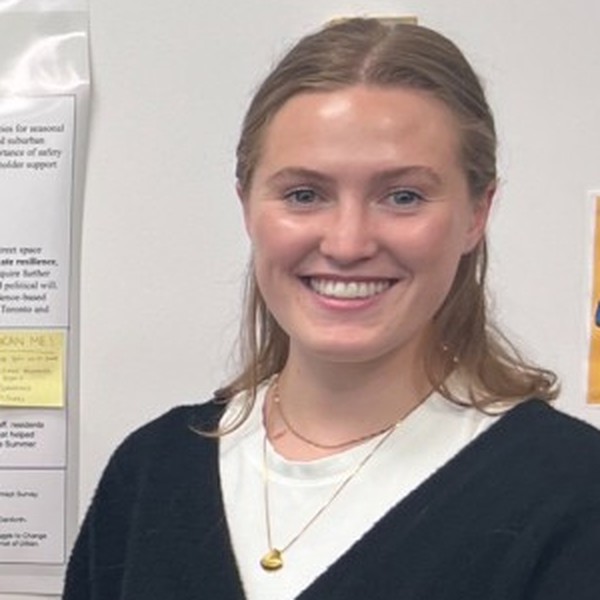
Lily Sedore
Lily Sedore was a Research Assistant with the Toronto Climate Observatory, where she worked on the Toronto Hazard Reconnaissance project, including its literature review on the health, economic, and social impacts of climate hazards. She is now pursuing graduate studies.
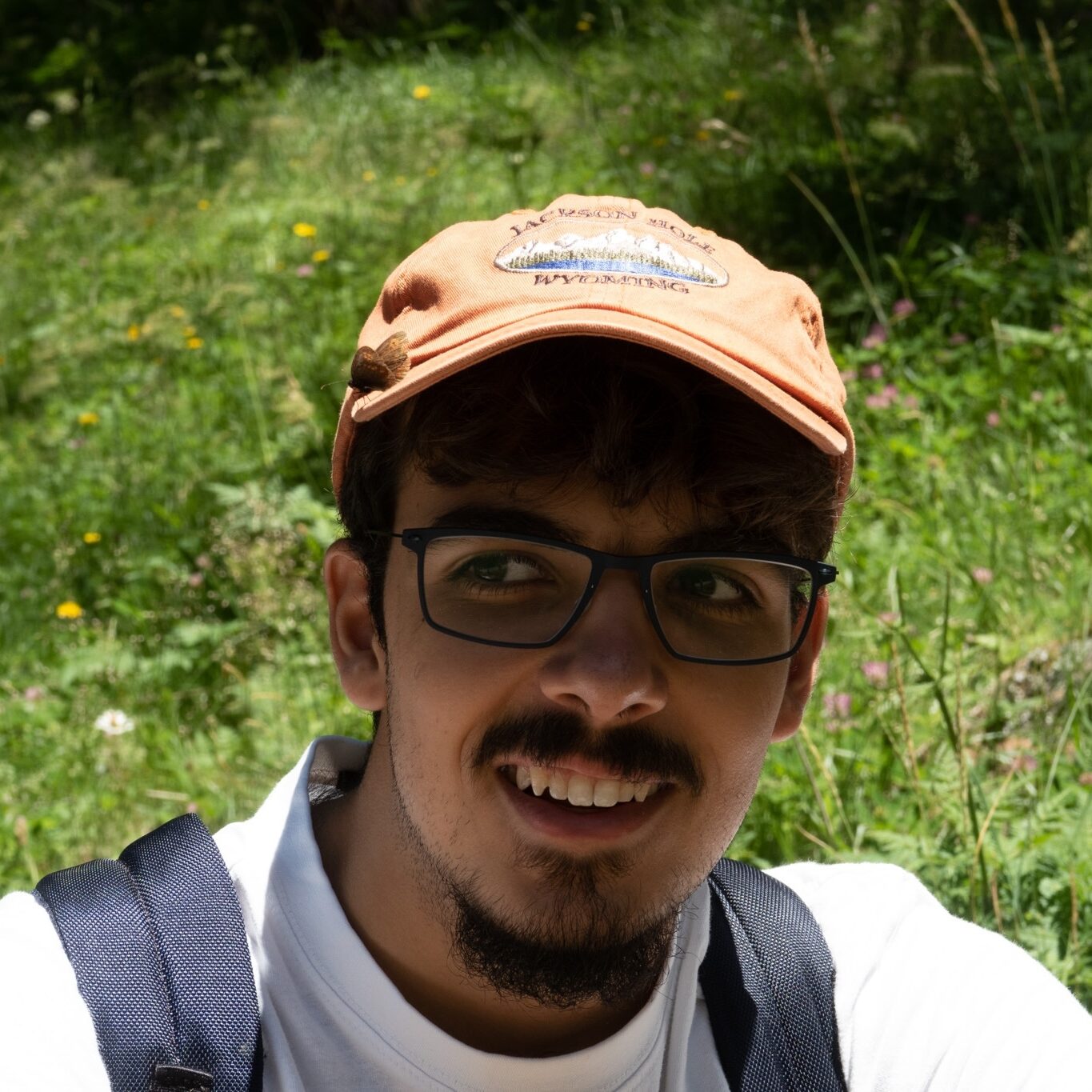
Nadim Mottu
Nadim is an undergraduate student at the University of Toronto, studying Computer Science and Mathematics. His research at the TCO focuses on building data analysis tools to measure and evaluate the carbon footprint of financial institutions. He is interested in using computation to strengthen transparency, promote accountability, and support a more sustainable future.
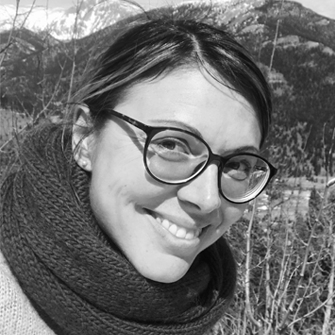
Nadine Plachta
Dr. Nadine Plachta is a Postdoctoral Fellow at the Department of Geography and Planning. Her work focuses on social and cultural transformations in contemporary Nepal and, in particular, the use of citizenship and belonging as a resource for governance and economic development. She has explored this theme in the context of infrastructural politics, land and natural resource conflicts, local ecological knowledge, and environmental management. Her most recent research explores how borderland communities reassess their expectations of the future within recurring situations of disaster and crisis. Her scholarship is based on long-term ethnographic engagement in South Asia, and, especially in Nepal where she lived and worked for Heidelberg University's South Asia Institute for five years (2014-2019). Nadine is also Editorial Team Member of the online journal Roadsides, as well as Book Reviews Editor of Himalayan, the Journal of the Association for Nepal and Himalayan Studies.
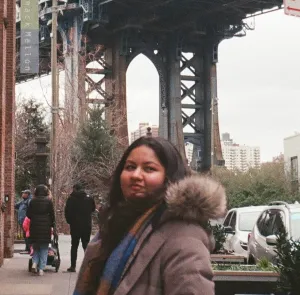
Navyata Neeraj
Navyata Neeraj is an incoming Master of Environment and Sustainability student at the University of Toronto. Navyata brings in diverse experiences, having worked with the City of Toronto in community-driven public consultation for large-scale capital projects and macroeconomic climate research with the federal think tank Canadian Climate Institute. She completed her undergraduate degree in Economics, Data Analytics & Urban Planning from the University of Toronto. She was deeply involved in experiential learning projects with the School of Cities, TNO -The Neighbourhood Organization and the University of Toronto Transportation Alumni Network (UTTAN).
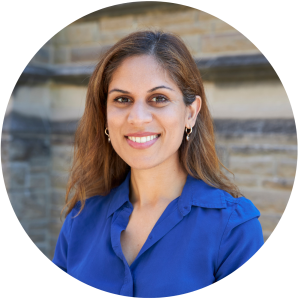
Rohini Patel
Rohini Patel is a PhD student at the University of Toronto Department of History. Her research looks into the history of chemical munitions production in Canada during the Cold War period, and its associated politics of knowledge and environmental fallout. She is interested in the intersections of histories of industrial/racial capitalism, science and technology studies, and environments and bodies. Rohini has an undergraduate degree in engineering and a master's degree in modern history.
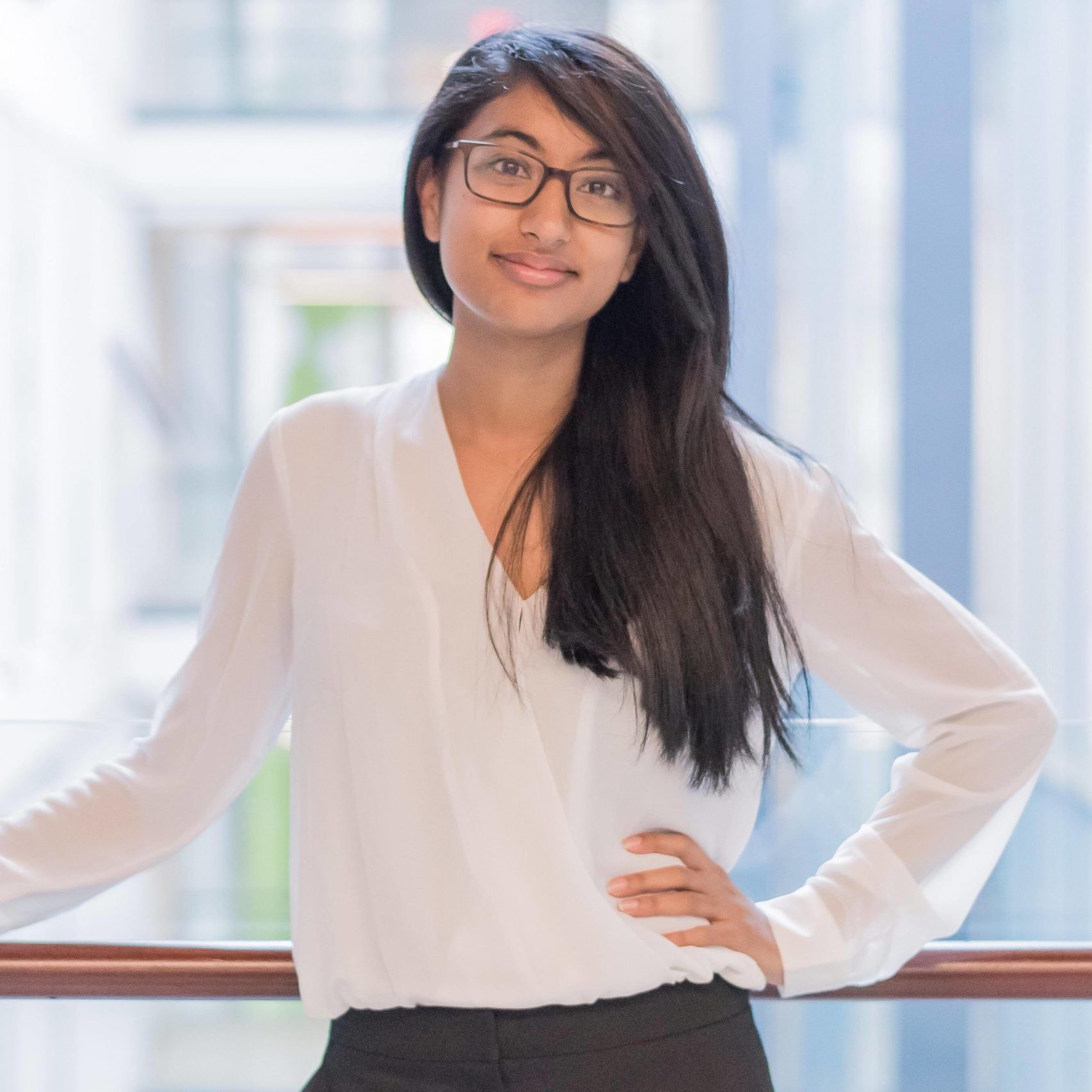
Sophia Jit
Sophia is currently enrolled in the MSc in Computer Science. Prior to studying computer science at the University of Toronto, she completed her MA in Economics at the same institution and a BA with an honours degree in philosophy and major in Economics, at the University of British Columbia. Her research interests include severe weather risk communication and accessibility justice. Following the completion of her MSc degree, she is hoping to pursue doctoral studies in computer science.
Tolulope Oshinowo
Tolulope is a visiting student from Princeton University, here as part of the Fulbright Canada research fellowship. His work currently centers around climate finance and carbon accounting, with a dedication to bridging the gap between technology and environmental sustainability.
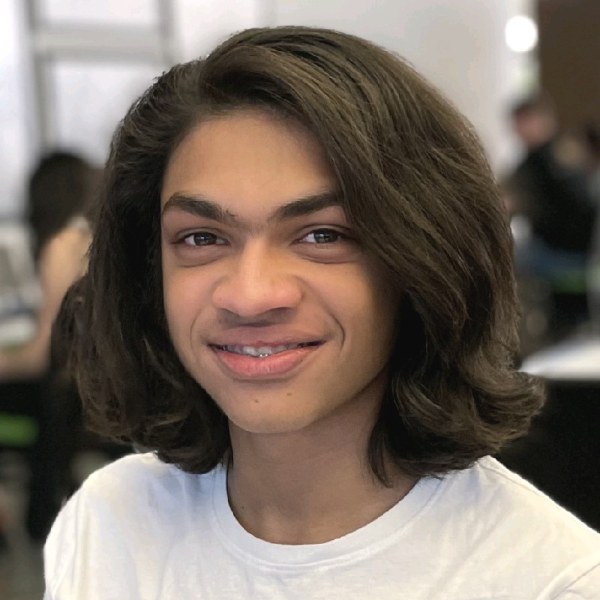
Yash Jain
Yash Jain worked with the Toronto Climate Observatory as an undergraduate research student on the Ontario Flood History project and in the Climate Data Visualization Studio. He studied at the University of Toronto.